On this two-way road, which vehicles must maintain a minimum separation of 50 meters from the vehicle in front when they do not intend to overtake?
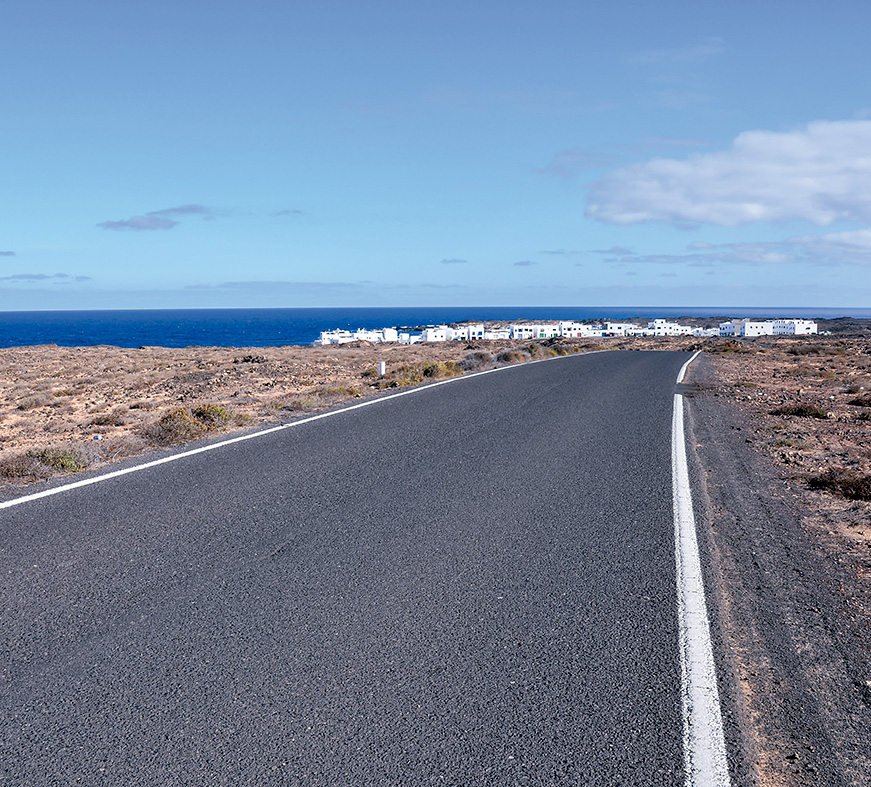
If a driver does not intend to overtake the vehicle in front, they must leave enough space so that a faster vehicle can safely overtake them and slip into the gap between the two vehicles.
While regular cars just need to keep a safe braking distance, the law strictly requires a minimum of 50 meters for two specific categories of heavy/long vehicles:
Vehicles with a maximum authorized mass (M.M.A.) over 3,500 kg (e.g., large trucks).
Vehicle combinations (conjuntos de vehículos) longer than 10 meters (e.g., a car towing a large caravan, or an articulated truck).
Analyzing the Options:
Option A is incorrect: It says "All trucks, regardless of their GVWR (mass)". This is wrong because small commercial trucks under 3,500 kg do not have to keep the 50-meter gap.
Option B is correct: It perfectly matches the legal requirement for vehicle combinations exceeding 10 meters in length.
Option C is incorrect: Passenger cars only need to maintain a safe braking distance based on their speed; they are not bound by the fixed 50-meter rule.
⚠️ Important Exceptions for the Exam:
This 50-meter rule does not apply (even for big trucks) in these situations:
Inside built-up areas/towns (poblado).
On motorways and dual carriageways (autopistas and autovías) because there is no oncoming traffic when overtaking.
In zones where overtaking is completely prohibited.
When traffic is so heavy that lanes are fully saturated.